

Welcome to the ultimate guide on investing in Dubai real estate, where we unlock the exciting opportunities in this billion-dollar market. With a rapidly growing economy, Dubai has established itself as a global hub for commerce, tourism, and luxury living. Its flourishing real estate sector offers investors a range of lucrative ventures that promise both substantial returns and long-term growth.
In this comprehensive guide, we delve into the various facets of Dubai’s real estate market, providing you with expert insights, valuable tips, and practical advice to navigate this dynamic industry successfully. From understanding the legal framework to identifying the most desirable neighborhoods and exploring financing options, we leave no stone unturned.
Whether you’re an experienced investor looking to diversify your portfolio or a first-time buyer, this guide will equip you with the knowledge and tools needed to make informed investment decisions. Our objective is to empower you to seize the abundant opportunities available in Dubai’s real estate market and maximize your potential returns.
Get ready to embark on a journey that will take you through the intricacies of Dubai’s real estate landscape, uncovering the secrets to unlock success in this lucrative market. Let’s get started!

Why Invest in Dubai Real Estate?
Investing in Dubai real estate presents a unique opportunity for both local and international investors due to the emirate’s strategic position as a global business hub. One of the primary reasons to consider this market is its robust economic growth, which has consistently outpaced many parts of the world. Dubai’s diverse economy, driven by tourism, trade, and finance, ensures a steady influx of expatriates and businesses, thereby increasing demand for residential and commercial properties. This growth translates into a favorable environment for real estate investments, promising attractive returns.
Another compelling factor is the cosmopolitan lifestyle that Dubai offers. With its luxurious amenities, world-class infrastructure, and vibrant cultural scene, the city attracts millions of visitors and residents each year. This influx not only boosts the tourism sector but also raises the demand for real estate as individuals seek to establish a permanent or semi-permanent residence in the city. The combination of a high quality of life and a growing population creates a fertile landscape for real estate investments, ensuring that properties have a strong potential for appreciation and rental yield.
Additionally, the government of Dubai has implemented various initiatives to attract foreign investment, such as granting long-term residency visas for property owners and introducing tax incentives that enhance the appeal of real estate purchases. The absence of property taxes and relatively low transaction fees further sweeten the deal for investors. These supportive policies not only promote confidence among investors but also contribute to the stability and growth potential of the real estate market, making Dubai a prime location for investment.
Types of Properties Available in Dubai
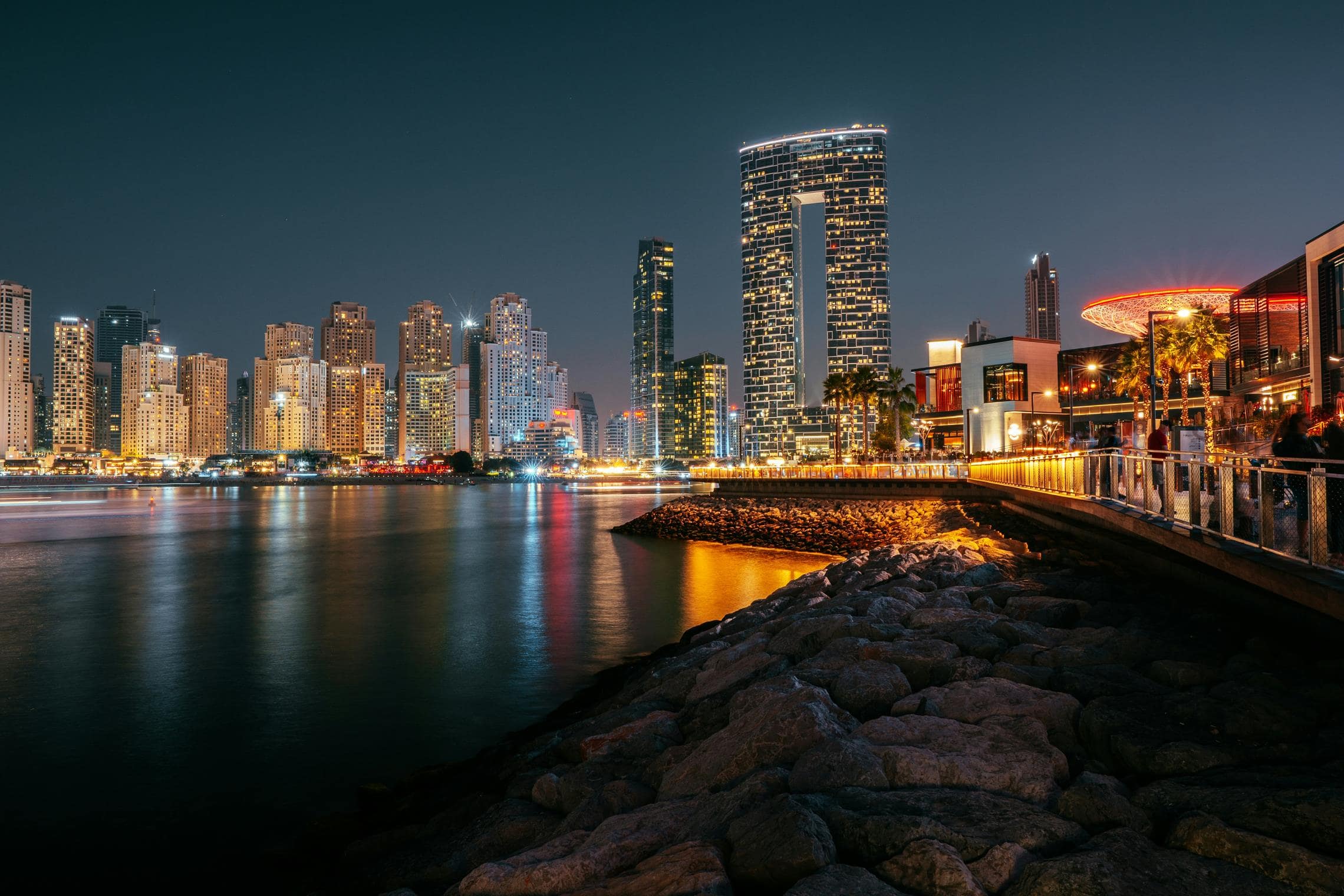
Dubai’s real estate market is incredibly diverse, offering a wide array of property types to cater to different investment strategies and preferences. Residential properties are among the most popular options, ranging from luxurious villas and high-end apartments to more affordable studio flats. High-rise buildings in areas like Dubai Marina and Downtown Dubai provide breathtaking views and proximity to major attractions, making them attractive for both investors and tenants. Moreover, the growing trend of community living has led to the development of gated communities that offer a blend of lifestyle and security, appealing to families seeking a comfortable living environment.
Commercial properties also present lucrative investment opportunities in Dubai. The demand for office spaces, retail outlets, and warehouses has surged due to the emirate’s position as a business hub. Investors can explore opportunities in prime locations such as the Dubai International Financial Centre (DIFC) and Business Bay, where the concentration of businesses increases the likelihood of high rental yields. Moreover, the rise of e-commerce has led to the growing need for logistics and distribution centers, further expanding the scope of commercial real estate investments.
Lastly, the hospitality sector represents an exciting avenue for investment in Dubai. With millions of tourists flocking to the city every year, there is a constant demand for hotels, serviced apartments, and short-term rental properties. Investors can capitalize on this demand through the purchase of properties specifically designed for the hospitality market. By offering unique experiences and high-quality services, these properties can achieve significant returns and benefit from Dubai’s thriving tourism industry.

Steps to Invest in Dubai Real Estate
Embarking on the journey of investing in Dubai real estate requires a systematic approach to ensure a successful outcome. The first step is to conduct thorough research on the market trends, property types, and investment hotspots. Investors should analyze current prices, historical data, and future projections to identify areas with high growth potential. Engaging with local real estate agents and attending property exhibitions can provide valuable insights and help investors make informed decisions.
Once investors have identified their target properties, the next step is to determine their budget and financing options. It’s essential to have a clear understanding of how much capital is available for investment, as this will guide the selection of properties. Investors should also factor in additional costs such as registration fees, maintenance, and service charges when calculating their overall budget. Having a well-defined financial plan in place will help streamline the purchasing process and avoid any last-minute surprises.
The final step before making a purchase is to ensure that all legal and regulatory requirements are met. Investors should seek professional legal advice to navigate the complexities of property ownership in Dubai. This includes understanding the property laws, verifying ownership titles, and ensuring all necessary documentation is in place. Once all due diligence is completed, investors can proceed with making an offer and finalizing the sale, paving the way for successful property ownership in one of the world’s most dynamic real estate markets.
Legal and Regulatory Considerations for Investing in Dubai Real Estate
Navigating the legal landscape is crucial for anyone looking to invest in Dubai’s real estate market. The first significant aspect to consider is the ownership structure. Foreign investors are permitted to own freehold properties in designated areas, known as freehold zones, while other areas allow leasehold agreements. Understanding these distinctions is essential to avoid legal complications and ensure compliance with local regulations. It is advisable to consult with a legal expert who specializes in real estate to clarify ownership rights and obligations.
Another important legal consideration is the registration process for property purchases. Once a property is acquired, it must be registered with the Dubai Land Department (DLD), which is responsible for overseeing all real estate transactions in the emirate. This process involves submitting various documents, including the sales agreement and identification papers, and paying the applicable registration fees. Investors should be aware that failure to complete the registration process could result in disputes over ownership and may lead to potential financial losses.
Additionally, investors should familiarize themselves with the rental laws and regulations in Dubai, especially if they plan to rent out their properties. The Real Estate Regulatory Agency (RERA) oversees rental agreements, providing guidelines on landlord-tenant relationships, rental increases, and eviction procedures. Understanding these regulations is vital to ensure compliance and avoid legal disputes with tenants. By adhering to the established legal framework, investors can safeguard their investments and enjoy a smoother property ownership experience.
Financing Options for Investing in Dubai Real Estate
When it comes to financing real estate investments in Dubai, investors have several options at their disposal. One of the most common methods is obtaining a mortgage from a local bank or financial institution. Banks in Dubai typically offer competitive mortgage rates, and as a foreign investor, you can secure financing for up to 75% of the property’s value, depending on the bank’s policies and your financial profile. It’s essential to shop around for the best mortgage terms and understand the associated fees, such as arrangement fees, valuation fees, and insurance costs.
Alternatively, some investors may opt for cash purchases, which can provide a significant advantage in a competitive market. Paying in cash eliminates the need for mortgage approvals and interest payments, allowing for a quicker transaction process. Additionally, cash buyers often have more negotiating power, as sellers may prefer to transact with buyers who can complete the purchase without relying on financing. However, cash investments require substantial capital, so investors must ensure they have sufficient liquidity to cover the purchase and any future expenses.
Another financing option gaining popularity is Islamic finance, which adheres to Sharia law principles. Islamic banks offer financing products that avoid interest payments, making them an attractive alternative for Muslim investors and those looking for ethical investment options. These products typically involve profit-sharing agreements or leasing arrangements, where the bank purchases the property and leases it to the investor. Understanding the different financing avenues available can help investors choose the best option that aligns with their financial goals and investment strategies.

Top Areas to Invest in Dubai
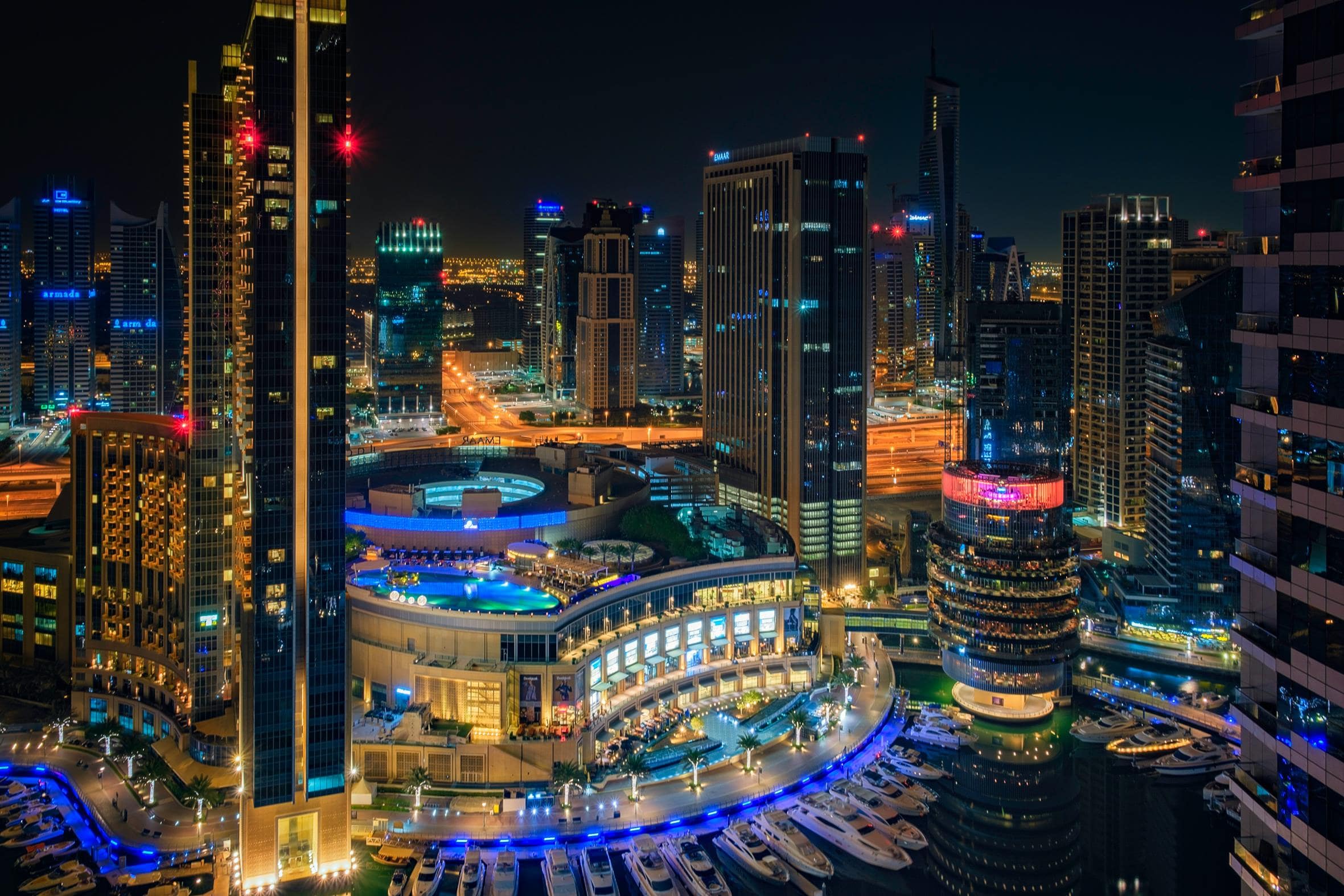
Identifying the right location is critical for maximizing investment returns in Dubai’s real estate market. One of the top areas to consider is Dubai Marina, known for its stunning waterfront views and vibrant lifestyle. This district is highly sought after by both residents and tourists, making it an attractive option for rental investments. Properties in Dubai Marina often command high rental yields due to their proximity to amenities, including dining, shopping, and entertainment options, as well as easy access to public transport.
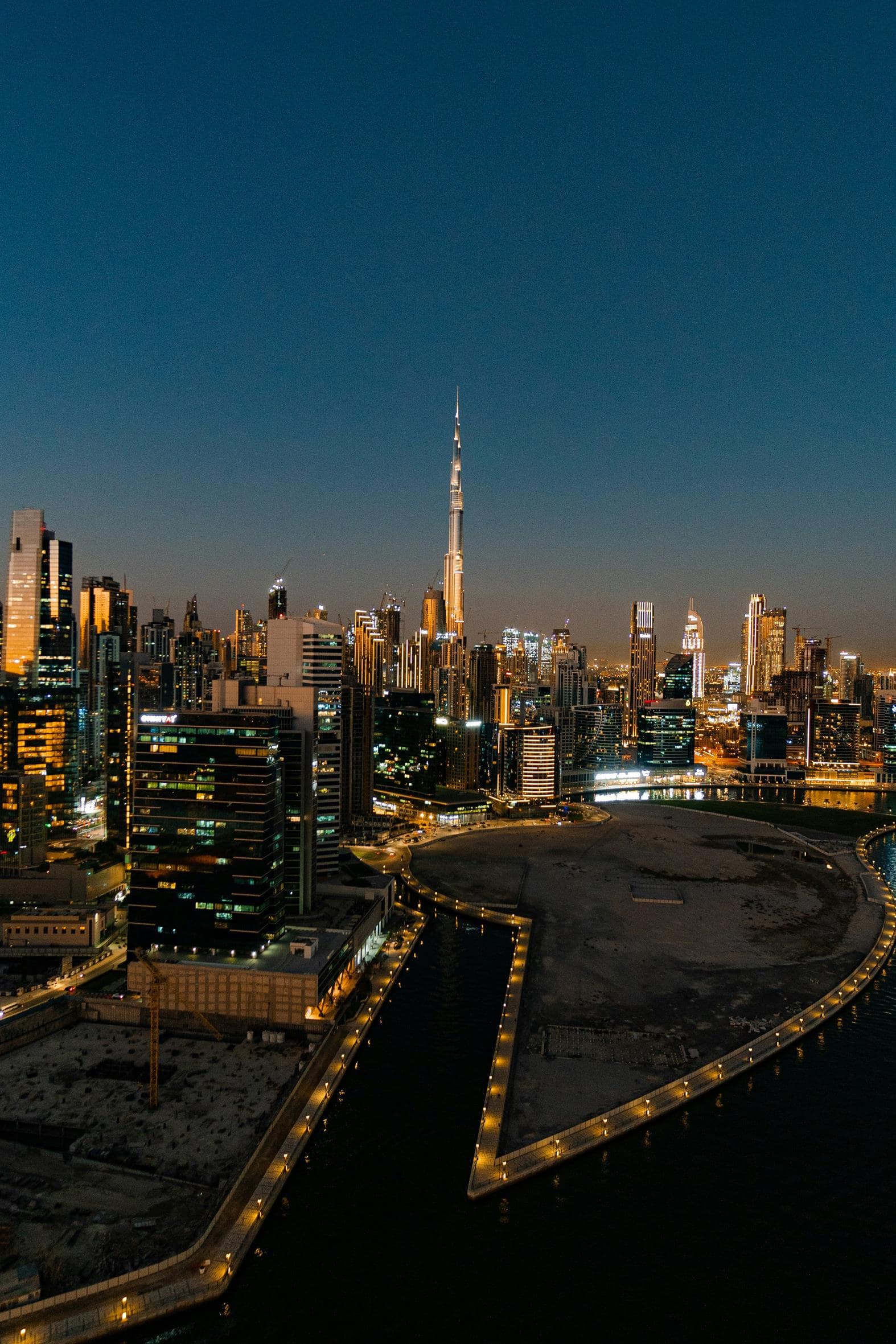
Another prime investment area is Downtown Dubai, home to iconic landmarks such as the Burj Khalifa and Dubai Mall. This area attracts a mix of high-end buyers and tenants seeking luxury living experiences. The ongoing developments in Downtown Dubai, including new residential and commercial projects, further enhance its investment potential. Investors can benefit from the area’s strong appreciation rates and the influx of tourists and expatriates drawn to its unique attractions.
For those looking for more affordable options, Dubai Sports City and Jumeirah Village Circle (JVC) have emerged as popular areas for budget-conscious investors. These communities offer a blend of residential and commercial properties designed to accommodate families and young professionals. The affordability of properties in these areas, coupled with ongoing infrastructure developments, positions them as promising investment opportunities for those seeking to enter the Dubai real estate market without breaking the bank.
Challenges and Risks of Investing in Dubai Real Estate
While investing in Dubai real estate offers numerous advantages, it is essential to be aware of the potential challenges and risks that can arise. One significant risk is market volatility, which can affect property values and rental yields. The real estate market in Dubai has experienced fluctuations in the past due to various factors, including changes in global economic conditions and local supply-demand dynamics. Investors should be prepared for market corrections and conduct thorough research to mitigate risks associated with price fluctuations.
Another challenge is the regulatory landscape, which can be complex and subject to change. While the government has introduced measures to attract foreign investment, regulatory changes can impact property ownership rights, rental laws, and financing options. Investors must stay informed about any legal updates and ensure compliance with local regulations to avoid potential disputes or financial losses. Engaging with legal and real estate professionals can provide valuable guidance in navigating these complexities.
Additionally, investors should be cautious about the potential for oversupply in certain segments of the market. Dubai has experienced rapid development, leading to an increase in the number of available properties. In some cases, this oversupply can result in higher vacancy rates and lower rental yields, particularly in specific areas. Conducting comprehensive market research and selecting properties in high-demand locations can help mitigate this risk and enhance the chances of long-term success in the Dubai real estate market.

Tips for Successful Investing in Dubai Real Estate
To achieve success in Dubai’s competitive real estate market, investors should adopt a strategic approach and stay informed about market trends. One of the key tips is to focus on location when selecting properties. Areas with strong infrastructure, proximity to amenities, and ongoing development projects tend to perform better in terms of appreciation and rental demand. Understanding the demographics of potential tenants or buyers can also guide property selection and investment decisions.
Networking is another vital aspect of successful investing in Dubai real estate. Building relationships with local real estate agents, developers, and other investors can provide valuable insights and access to off-market opportunities. Attending property exhibitions and industry events can help investors expand their network and stay updated on the latest trends and developments in the market. Collaborating with experienced professionals can enhance an investor’s understanding and increase the likelihood of making informed decisions.
Lastly, conducting thorough due diligence is paramount before making any investment. This includes verifying property titles, understanding the financial health of potential investments, and assessing the overall market environment. Investors should also consider their long-term goals and investment strategies, ensuring that each property aligns with their overall objectives. By approaching investments with careful consideration and a strategic mindset, investors can maximize their chances of success in Dubai’s dynamic real estate market.
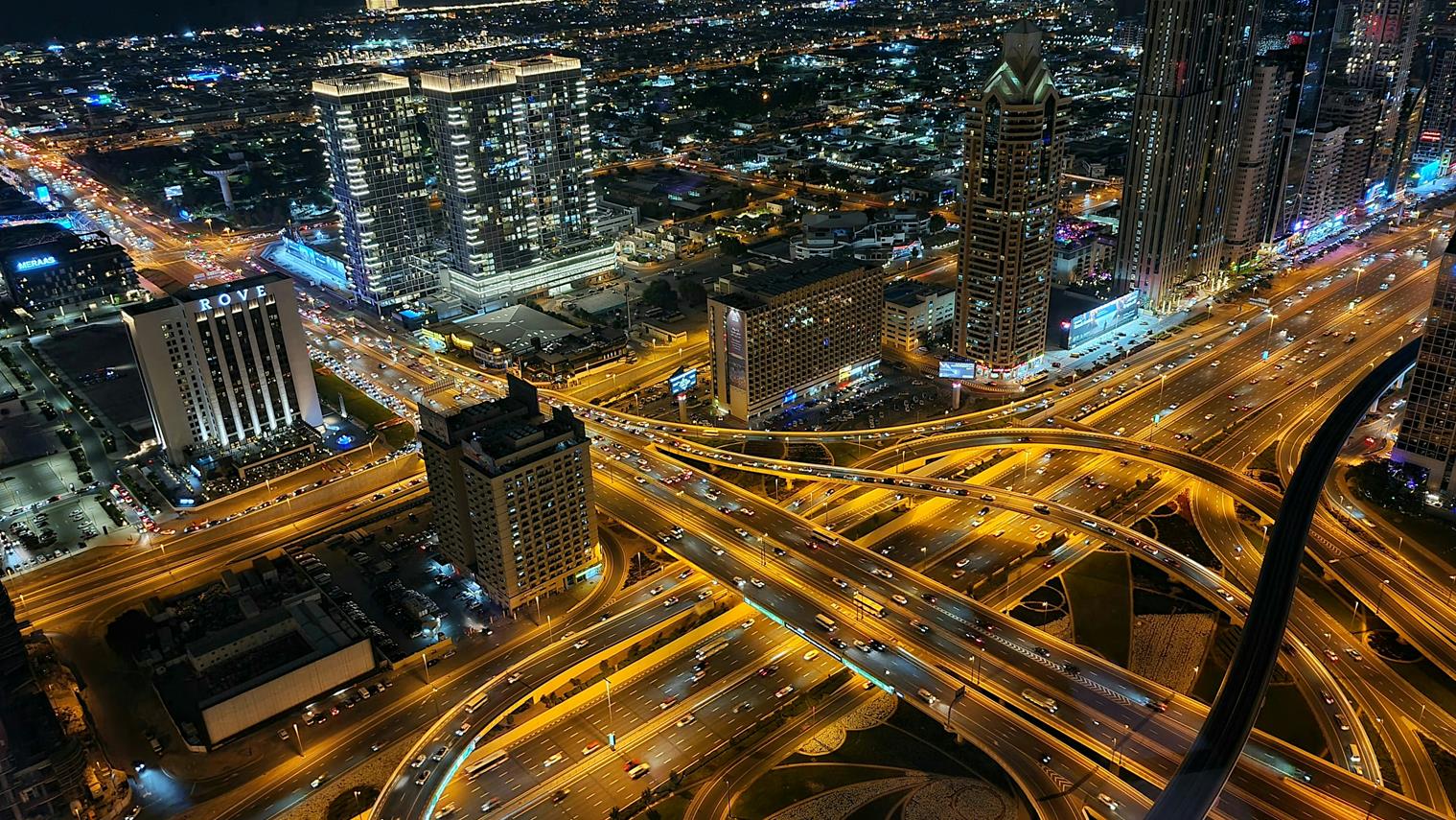
Conclusion: Is Investing in Dubai Real Estate Right for You?
In conclusion, investing in Dubai real estate can be a rewarding endeavor, provided that investors approach it with the right knowledge and strategic planning. The emirate’s thriving economy, diverse property options, and supportive government policies create a favorable environment for real estate investments. Whether you are interested in residential, commercial, or hospitality properties, there are abundant opportunities to explore in this vibrant market.
However, it is crucial to weigh the potential risks and challenges associated with real estate investments. Market volatility, regulatory changes, and oversupply can impact the success of your investment. Therefore, thorough research, due diligence, and professional guidance are essential to navigate these complexities effectively. By staying informed and making informed decisions, you can position yourself to capitalize on the lucrative opportunities within Dubai’s real estate sector.
Ultimately, the decision to invest in Dubai real estate should align with your financial goals, risk tolerance, and investment strategy. If you are ready to take the plunge and explore this exciting market, the potential for significant returns and long-term growth awaits you. With the right approach, you can unlock the doors to success in Dubai’s billion-dollar real estate landscape.